

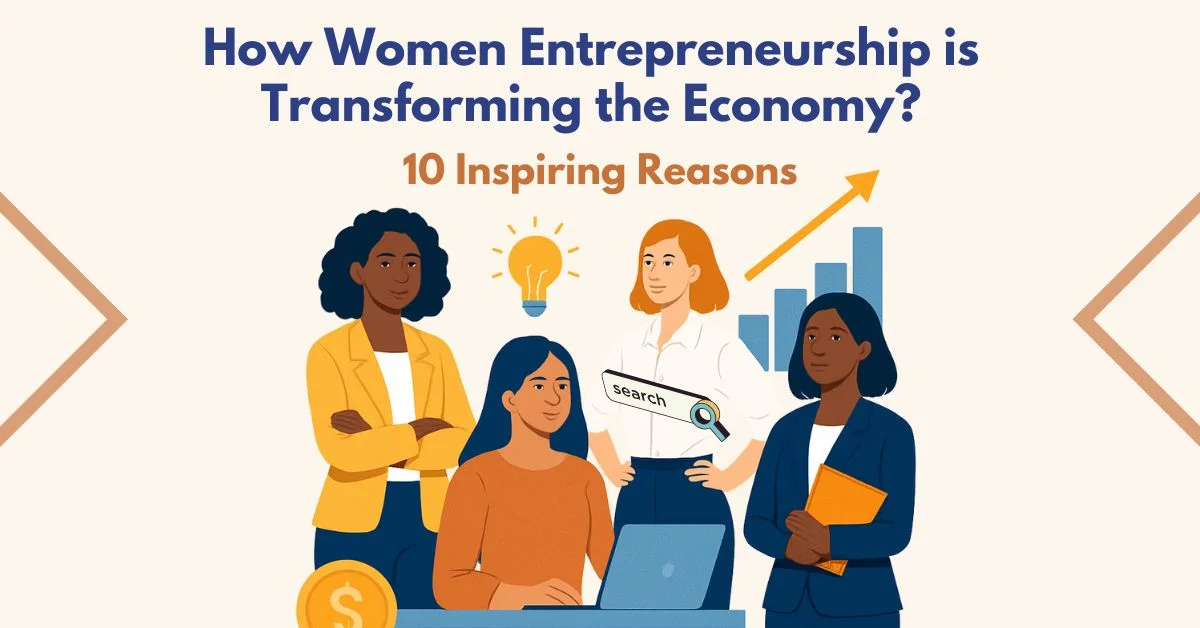
Women Entrepreneurship—In boardrooms, coffee shops, home offices, and bustling startup hubs across the U.S., a quiet revolution is gaining unstoppable momentum.
From launching tech startups to leading purpose-driven nonprofits, female entrepreneurs are rewriting the rules of business, challenging outdated norms, and fueling one of the most dynamic shifts in the American economy. This movement isn’t just about breaking glass ceilings—it’s about building entirely new buildings with open doors for everyone.
Here are 10 inspiring reasons why this unstoppable force is transforming the future of U.S. commerce.
Related Read: How to Reinvent Your Career After 40: A Step-by-Step Guide to Thriving
Understanding Women Entrepreneurship
Women entrepreneurship refers to the process where women initiate, organize, and operate a business venture with the intent of making a profit, creating value, and delivering services or products. In the United States, this movement represents not just business ownership but also empowerment, independence, and community development.
The core idea of women entrepreneurship is centered on the ability of women to lead, innovate, and grow enterprises while navigating societal, financial, and cultural barriers. These ventures often include startups, small businesses, franchises, and even large corporations founded or led by women.
It goes beyond profit—serving as a platform for economic freedom, innovation, and equity.
For foundational information, visit the U.S. Small Business Administration (SBA) Women-Owned Business Guide.
Evolution of Women in Business in the U.S.
Historically, American women were largely excluded from business ownership. However, through waves of social reform, civil rights movements, and economic empowerment programs, the role of women in business has dramatically evolved.
From home-based ventures in the 1950s to the modern-day tech giants founded by women, the trajectory has been remarkable. Laws such as the Women’s Business Ownership Act of 1988 paved the way for independent credit and federal support, unlocking new opportunities.
The Current State of Female Entrepreneurs in the U.S.
Key Statistics and Demographics
As of 2024, there are over 13 million women-owned businesses in the U.S., accounting for 42% of all businesses. These businesses generate nearly $1.9 trillion annually and employ over 9 million people.
Notably:
- Black women are the fastest-growing group of entrepreneurs.
- Latina-owned businesses have grown 87% since 2007.
- Millennial women are launching more startups than any previous generation.
According to the National Association of Women Business Owners (NAWBO), these ventures span every major industry
Top Industries Dominated by Women
Female entrepreneurs shine in a range of sectors, especially:
- Health and wellness
- Fashion and beauty
- Food and beverage
- Education and coaching
- Digital marketing and e-commerce
Tech and STEM, once male-dominated, are also witnessing a surge in female-led startups.
Related Read: 5 Midlife Transformation Tips to Reignite Your Spark
Key Traits of Successful Female Entrepreneurs
Leadership, Innovation, and Grit
Resilience, adaptability, and passion are the cornerstones of success for women in business. Female entrepreneurs often display emotional intelligence, strategic risk-taking, and a customer-centric approach that builds loyalty and long-term growth.
Unique Perspectives Women Bring to Business
Women tend to emphasize collaboration, community building, and inclusive leadership. Their businesses often prioritize ethical practices, sustainable models, and employee well-being, which are key drivers of long-term success.
The Role of Education and Mentorship
Impact of Business Education
Many female founders have leveraged MBAs, online certifications, and executive education to sharpen their business acumen. Institutions like Harvard Business School, SCORE, and Coursera offer specialized programs for women in business.
Mentorship and Peer Networks for Women
Mentorship is crucial. Networks like Female Founders Alliance, and Lean In offer peer mentoring, workshops, and fundraising support that empower women to scale faster and smarter.
Communities like Ellevate Network and SCORE’s Women Entrepreneurs Program are helping bridge mentorship gaps.
Barriers Faced by Women Entrepreneurs
Gender Bias and Discrimination
Despite progress, gender stereotypes persist. Women still face skepticism from investors, underestimation in boardrooms, and unequal treatment in negotiations.
Funding Gaps and Access to Capital
In 2023, only 2% of venture capital funding went to women-led startups. This glaring gap limits innovation and growth. However, Crowdfunding platforms such as iFundWomen and and Female Founders Fund offer an alternative funding route, mentorship, and exposure.
Government and Private Support for Women in Business
SBA and Federal Grants
The Small Business Administration (SBA) offers microloans, training, and grants specifically for women-owned enterprises. Federal programs like WOSB (Women-Owned Small Business Program) also give priority in government contracts.
Nonprofits and Corporate Initiatives
Organizations like NAWBO, Women’s Business Enterprise National Council (WBENC), and corporate giants like Goldman Sachs’ 10,000 Women initiative offer mentorship, funding, and skill development programs tailored for women.
How Women Entrepreneurs Are Innovating Across Sectors
Tech Startups and STEM
Women like Whitney Wolfe Herd (Bumble) and Anne Wojcicki (23andMe) are redefining tech. Programs like Girls Who Code are encouraging more young women into science, tech, engineering, and math fields, leading to breakthrough startups.
Social Impact and Community-Driven Models
Many women-led businesses prioritize sustainability and social good, aligning with B Lab’s Certified B Corporation values—balancing profit with purpose. From climate action to education access, women entrepreneurs are solving real-world problems with innovative models.
Success Stories of Female Entrepreneurs
Famous U.S. Businesswomen and Their Journeys
- Sara Blakely, founder of Spanx, started with $5,000 and turned it into a billion-dollar empire.
- Oprah Winfrey, beyond media, is an investor and wellness entrepreneur.
- Sophia Amoruso took Nasty Gal from eBay to a multimillion-dollar brand.
Rising Stars in Startups and Small Businesses
Meet new faces like:
- Beatrice Dixon of The Honey Pot
- Tiffany Pham of Mogul
- Payal Kadakia of ClassPass
These women are changing industries, one idea at a time.
The Economic Impact of Women Entrepreneurship
Job Creation and GDP Growth
Women-owned businesses contribute nearly $2 trillion to the U.S. economy. With steady growth, this figure is expected to surpass $3 trillion by 2030.
Regional and Community Development
Local economies flourish when women-owned businesses thrive. From rural areas to urban hubs, women are revitalizing communities through small businesses and social enterprises.
Digital Empowerment and Social Media Influence
Women Leveraging E-Commerce and Influencer Models
Social platforms like Instagram, TikTok, and LinkedIn allow women to launch and scale brands directly to consumers. Influencer-led businesses and digital storefronts reduce startup costs while increasing visibility and reach.
Building Inclusive Business Ecosystems
Companies that adopt inclusive hiring, flexible work hours, and parental leave attract and retain top female talent. Female-led businesses often lead the way in creating such progressive environments.
Support from male investors, mentors, and partners is crucial. Allyship in boardrooms and venture capital helps break down systemic barriers and creates equitable opportunities.
Work-Life Balance in Women-Led Enterprises
Flexible Business Models
Many women entrepreneurs build businesses that accommodate family, wellness, and personal passions—like remote-friendly firms or job-sharing platforms.
Mental Health and Entrepreneurial Burnout
Awareness around mental wellness is growing. Initiatives like wellness coaching, time-blocking, and self-care routines are helping women sustain their entrepreneurial energy.
Future Trends in Women Entrepreneurship
Gen Z and Millennial Female Founders
Young women are building brands with bold voices, digital fluency, and a strong sense of social justice. They prioritize transparency, diversity, and authenticity in their business models.
Sustainability and Ethical Entrepreneurship
Eco-conscious business practices are a big focus. Many female-led companies integrate circular economy, ethical sourcing, and green tech into their missions.
How to Support Female Entrepreneurs
Advocacy, Investing, and Everyday Support
- Shop from women-owned brands
- Mentor or connect aspiring founders
- Support crowdfunding campaigns
- Push for gender parity in leadership
Resources for Aspiring Women Entrepreneurs
Online Courses, Podcasts, and Communities
- Podcasts: “How I Built This,” “She Did It Her Way,” “Girlboss Radio”
- Courses: Udemy, Coursera, and edX business programs
- Communities: Dreamers & Doers, Women Who Startup, Ladies Get Paid
Tools, Grants, and Networking Events
- Tools: Canva, QuickBooks, Trello
- Grants: Amber Grant, Eileen Fisher Women-Owned Business Grant, Cartier Women’s Initiative
- Events: NAWBO National Conference, Women’s Business Conference, Forbes Women Summit
FAQs on Women Entrepreneurship
What industries are best for female entrepreneurs?
Women excel in sectors like wellness, beauty, e-commerce, education, and tech due to flexibility, consumer engagement, and innovation.
How can I fund a women-owned startup?
Explore SBA loans, grants (Amber Grant), crowdfunding (iFundWomen), and VC firms targeting female founders.
Are there tax breaks for women entrepreneurs?
While there are no specific federal tax breaks solely for women, qualifying as a women-owned small business can open contract and funding incentives.
What are some famous women entrepreneurs?
Sara Blakely, Oprah Winfrey, Rihanna (Fenty Beauty), and Tory Burch are among the top U.S. women entrepreneurs.
How do I find a mentor as a female founder?
Join networks like SCORE, Ellevate, or Female Founders Alliance for access to experienced mentors.
What is the best age to start a business as a woman?
Any age is great! Many successful women launched businesses in their 30s and 40s, but young entrepreneurs are also thriving.
The Rising Power of Women Entrepreneurship
From transforming local communities to reshaping global markets, women entrepreneurship is a driving force in the modern U.S. economy. Despite the barriers, female entrepreneurs are building resilient, innovative, and inclusive businesses that benefit everyone. Their rise isn’t just good for business—it’s essential for a stronger, more equitable future.
Ready to Start? Get the complete Side Hustle Toolkit in my Thrive in Change eBook, including:
- 10+ side hustle ideas (with step-by-step guide for launch to first sale)
- Client pitch templates
- Pricing guides
- BONUS: 100+ Affirmation cards for confidence boosts!
